As of 2026, China’s decorative materials market has surpassed the 700 billion yuan mark. With the comprehensive rollout of existing housing renovation and urban renewal initiatives, demand for “high-performance, quick-installation, and personalized” materials is experiencing a dramatic surge. At the same time, the country’s certification system for green building materials is becoming increasingly sophisticated, driving the industry to shift from competing primarily on price to competing on technology and service quality.
Core driving force
Technological self-reliance: Domestic materials companies have achieved key breakthroughs in fields such as polymer synthesis and digital printing, breaking away from reliance on imports for certain high-end materials.
Trend 1: The rapid rise of high-performance resin materials.
In 2026, resin-based composites will no longer be limited to industrial or functional components; instead, thanks to their exceptional moldability and rich visual appeal, they will become the “new favorite” in the high-end decoration sector.
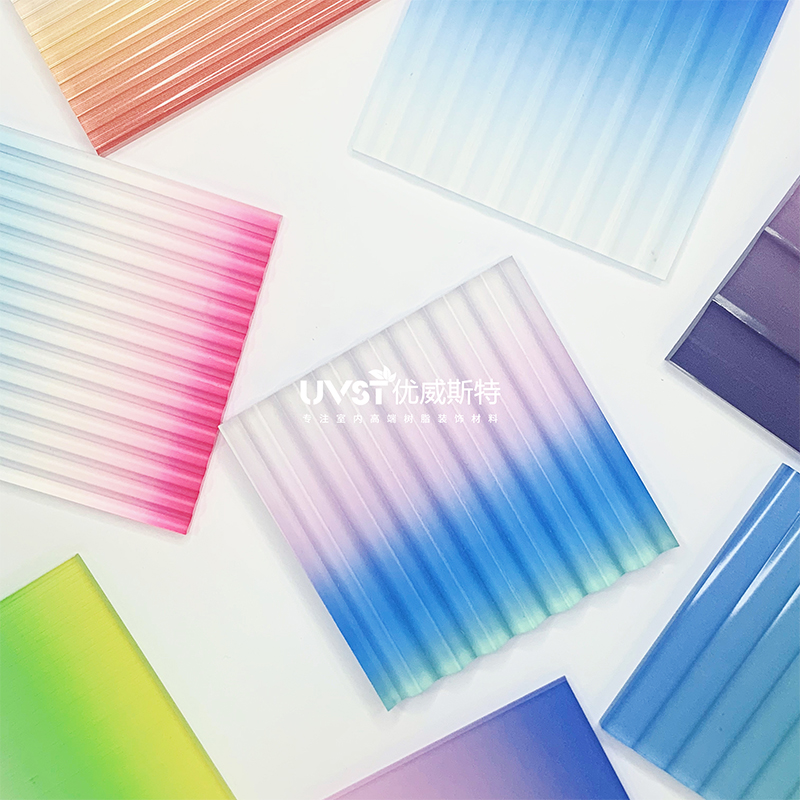
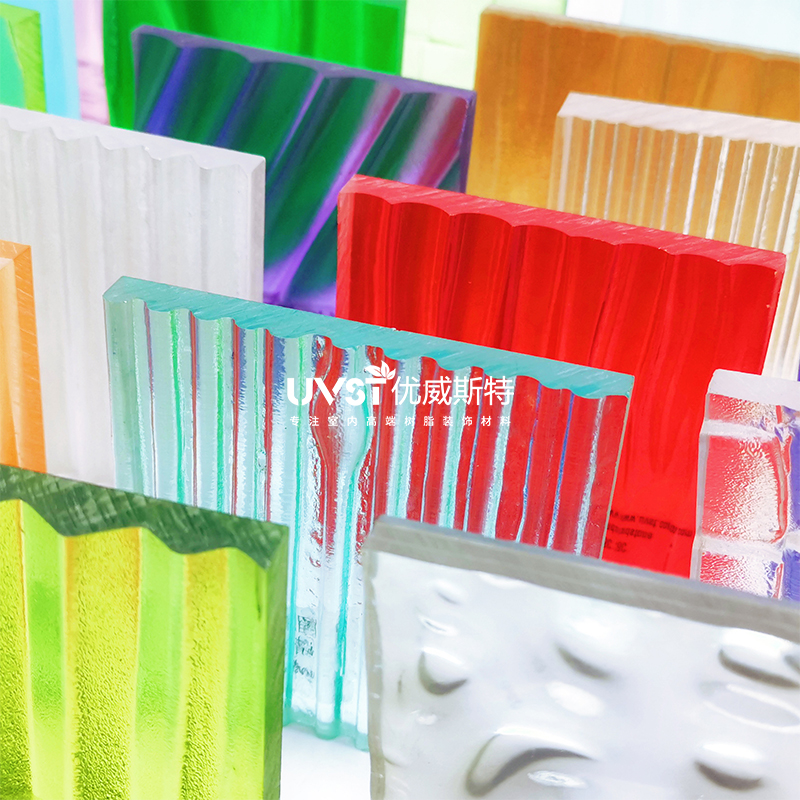
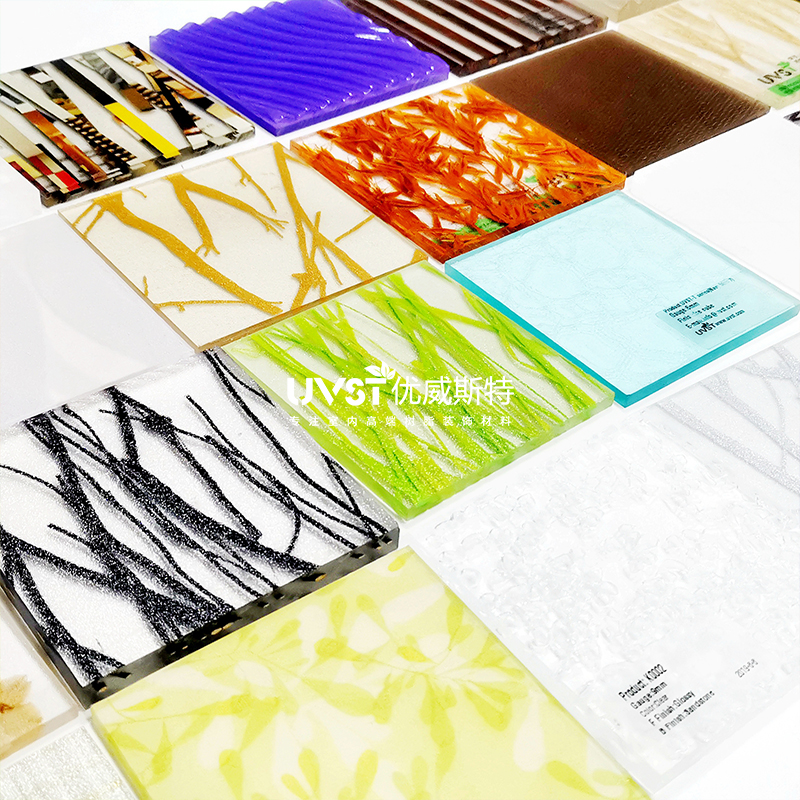
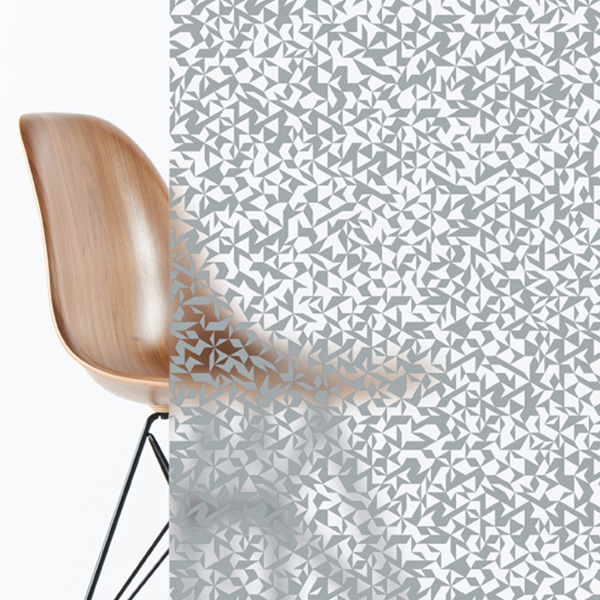
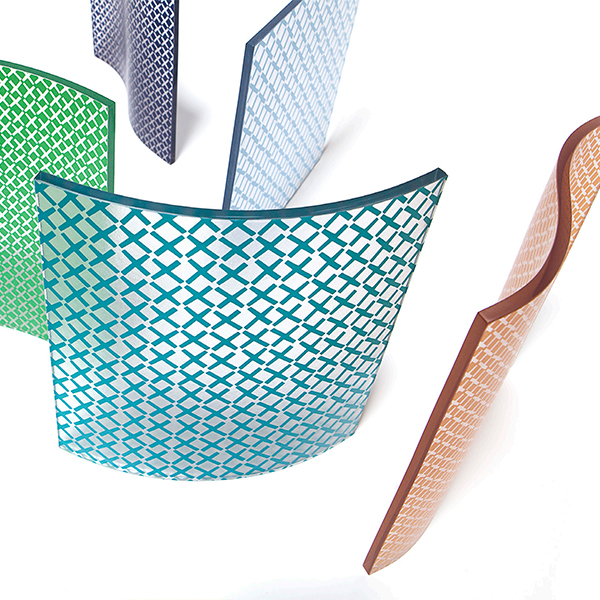
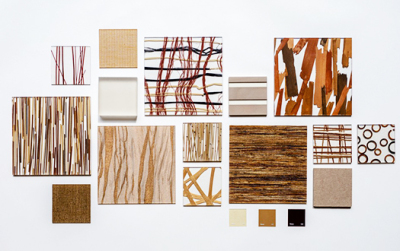
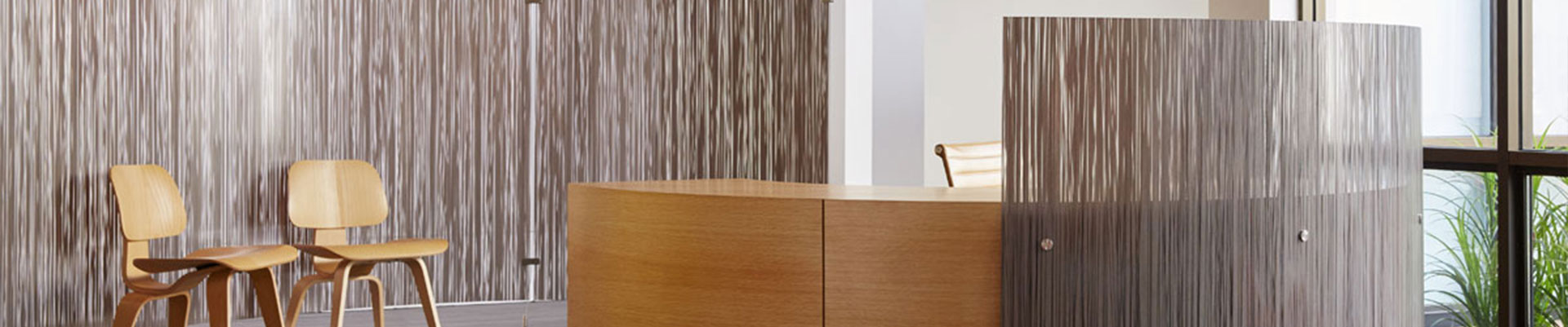
—The Aesthetic Revolution of Decorative Resin Panels: These high-end decorative panels, based on amorphous copolymers and epoxy resins, utilize a high-temperature lamination process combined with digital casting to perfectly replicate the textures of natural stone, precious woods, and even metals. Their light-transmitting properties and rheological texture are unmatched by traditional natural materials. They are often used in upscale hotel lobbies, villa feature walls, and artistic installations, creating a highly futuristic “liquid aesthetic.”
Green Transition: The market share of bio-based resins and waterborne low-VOC resin materials has significantly increased, and is expected to account for more than 40% of the total resin material volume, aligning with the industry’s trend toward a green, closed-loop development model.
Trend 2: Integration of Health and Functionality
Environmental protection has evolved from “meeting standards” to “proactive health.”
The selection of materials places greater emphasis on the unity of tactile and visual experiences.
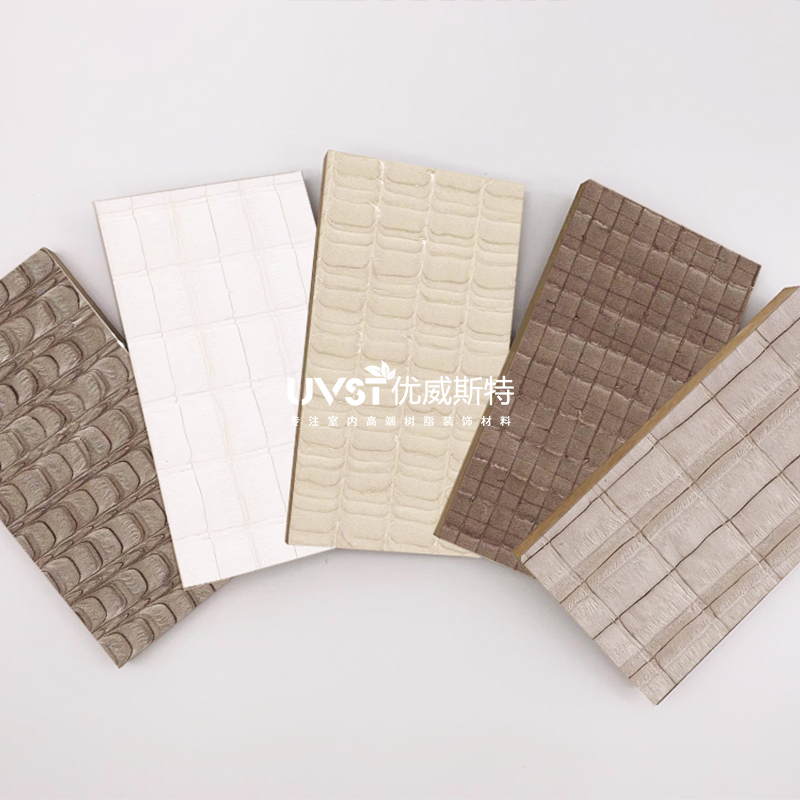
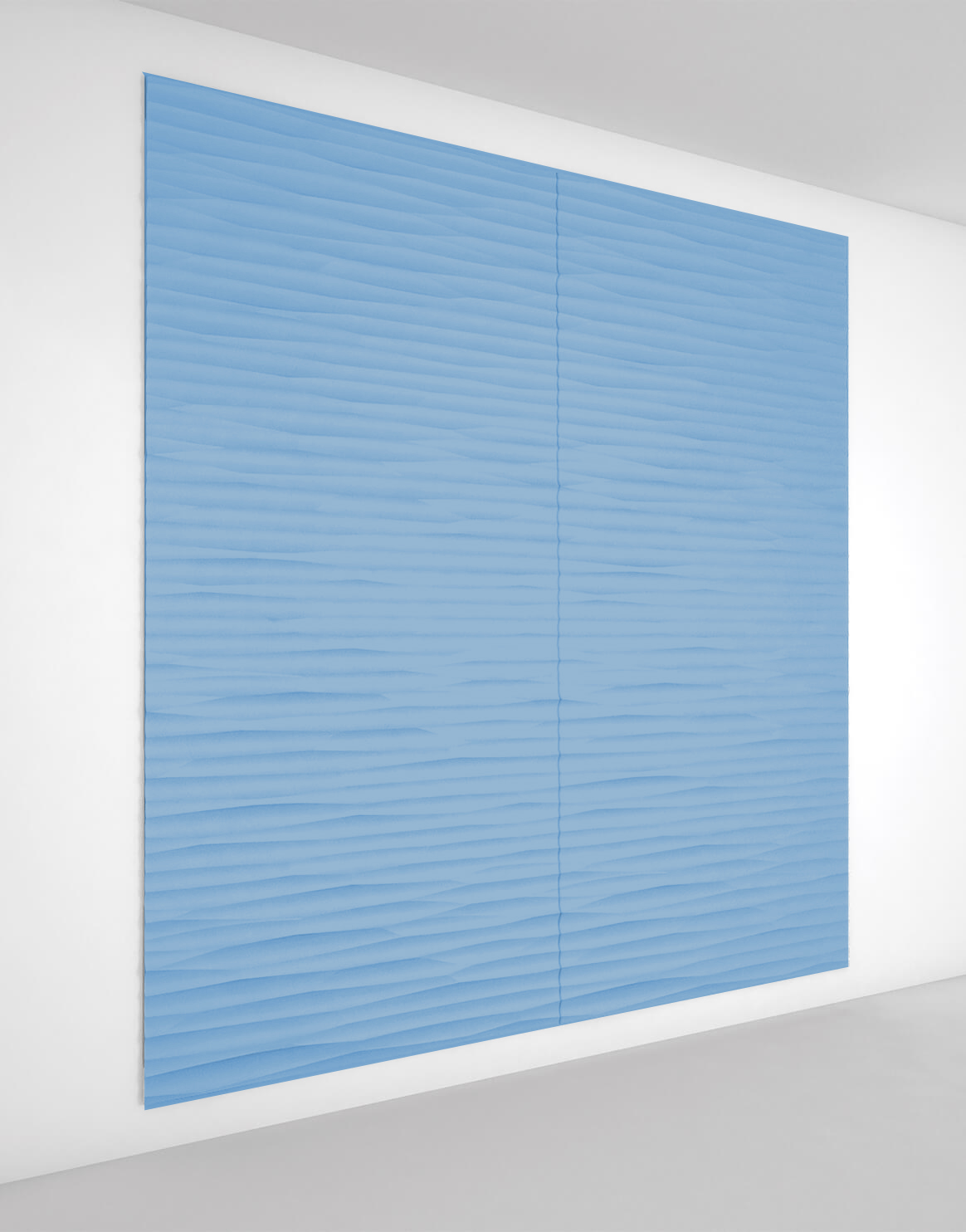
The return of tactile textures: Soft-light, skin-like, and micro-cement-textured materials continue to be popular. Thanks to surface treatment technologies, resin panels can mimic the delicate touch of leather and fabric, breaking down the physical boundaries of materials.
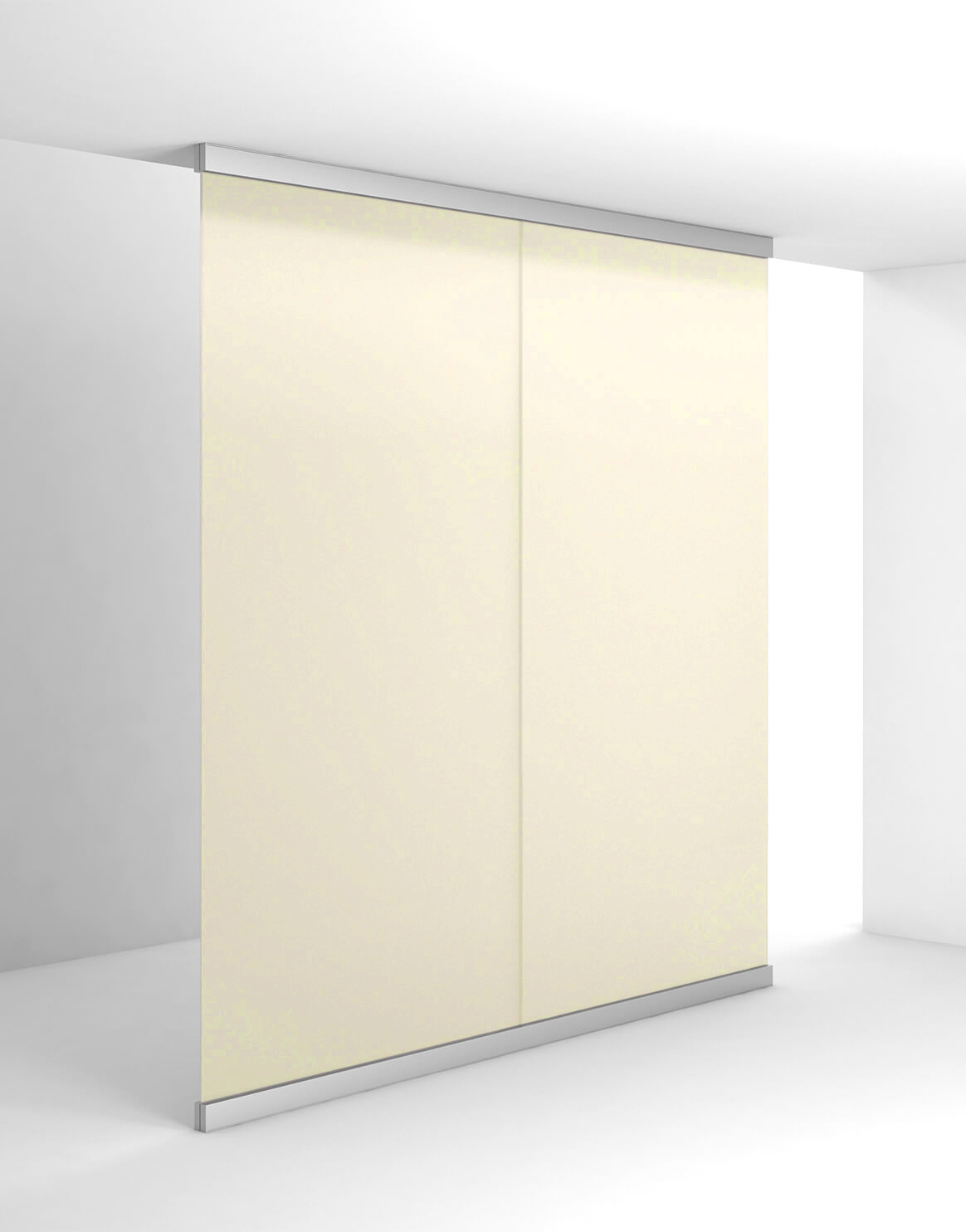
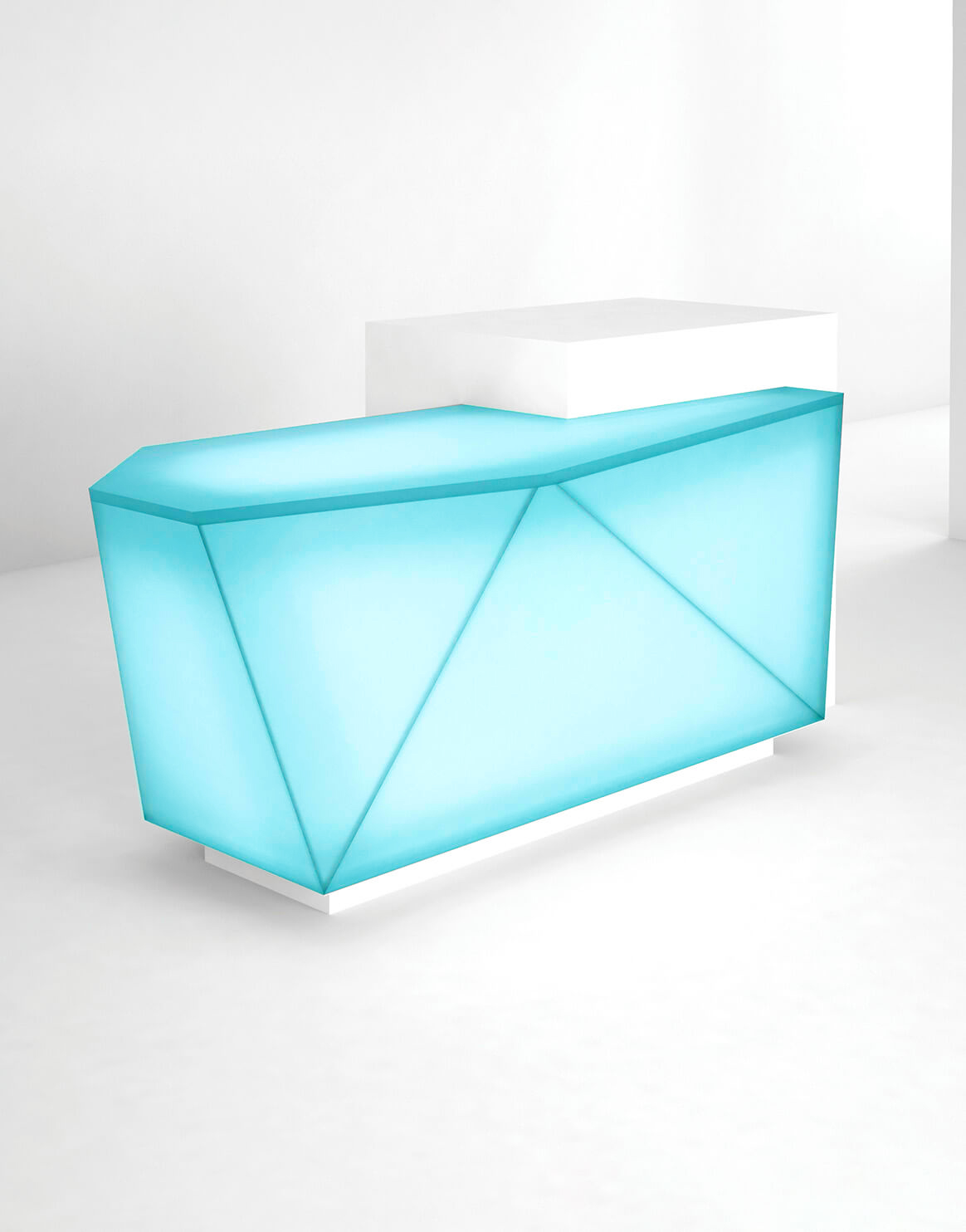
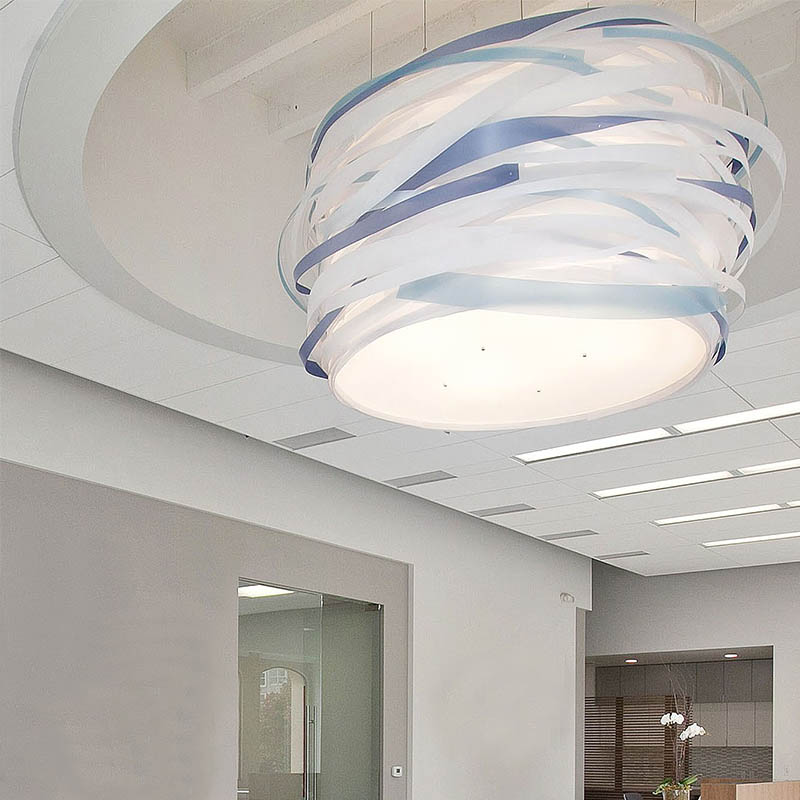
Light-and-shadow interaction: The combination of semi-transparent resin panels and LED light sources creates a hazy aesthetic that “reveals light but not the lamp itself,” enhancing the spatial depth and atmosphere.
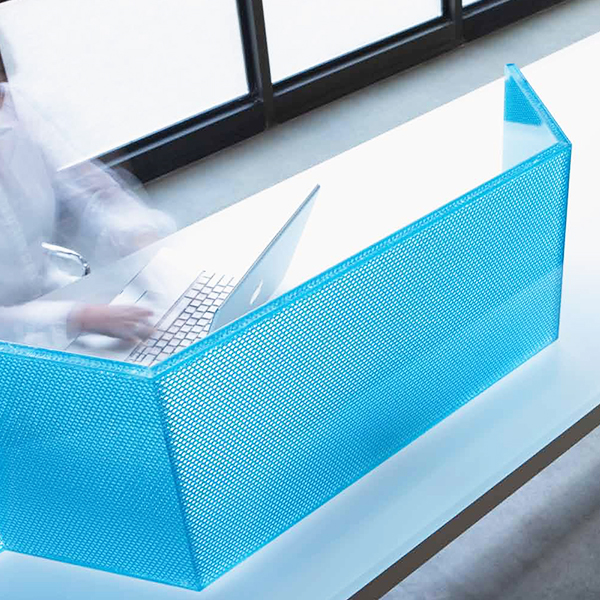
Resin panels: As a star material for 2026, they excel in being lightweight yet highly durable and offering unparalleled design flexibility (they can be hot-bent and hollowed out). In high-end commercial spaces, they’re often used to create custom-shaped reception desks and artistic partitions; in residential settings, they serve as TV backdrop walls or cabinet doors, showcasing exceptional decorative appeal and durability.
— Ceramic slabs and functional glass: Large-format, ultra-thin slabs continue to expand their application scenarios, extending from countertops to furniture finishes. Smart dimmable glass (electrochromic) is becoming increasingly popular in high-end, private spaces.
Lighting and Hardware: Magnetic invisible tracks paired with minimalist linear light strips, combined with high-end finishing materials, create clean and flawless ceiling and wall systems.
IV. Challenges and Recommendations
Industry Challenges:
The standard system remains to be improved: There are currently no unified national performance standards for the emerging decorative resin boards, and the market is plagued by instances of inferior products being passed off as superior ones, undermining consumer confidence.
Technological Barriers: The core raw materials and processes for high-end ASA resin tiles and high-performance translucent resins are still largely controlled by a small number of leading enterprises, while SMEs face intense homogeneous competition.
Development recommendations:
Develop a specialized standard: The association should take the lead in formulating a group standard titled “Resin Boards for Architectural Decoration,” clearly defining their physical performance, environmental indicators, and weather resistance requirements.
In 2026, the high-end decorative materials market will be a dance between rational technology and sensual aesthetics. The rise of new polymer materials, such as resin boards, not only expands the boundaries of design but also underscores the industry’s commitment to a green, smart, and efficient transformation. In the future, whoever can strike the perfect balance among material functionality, environmental friendliness, and artistic appeal will lead the next wave of residential trends.
Leave a message
and ask us
31 years of professional production of customized interior high-end resin decorative materials
Continuously develop new products with independent innovation thinking, and the products are deeply trusted by domestic and foreign users
Annual technical precipitation
Innovative product
Sub-commercial cooperation
Professional team












 Unified service hotline